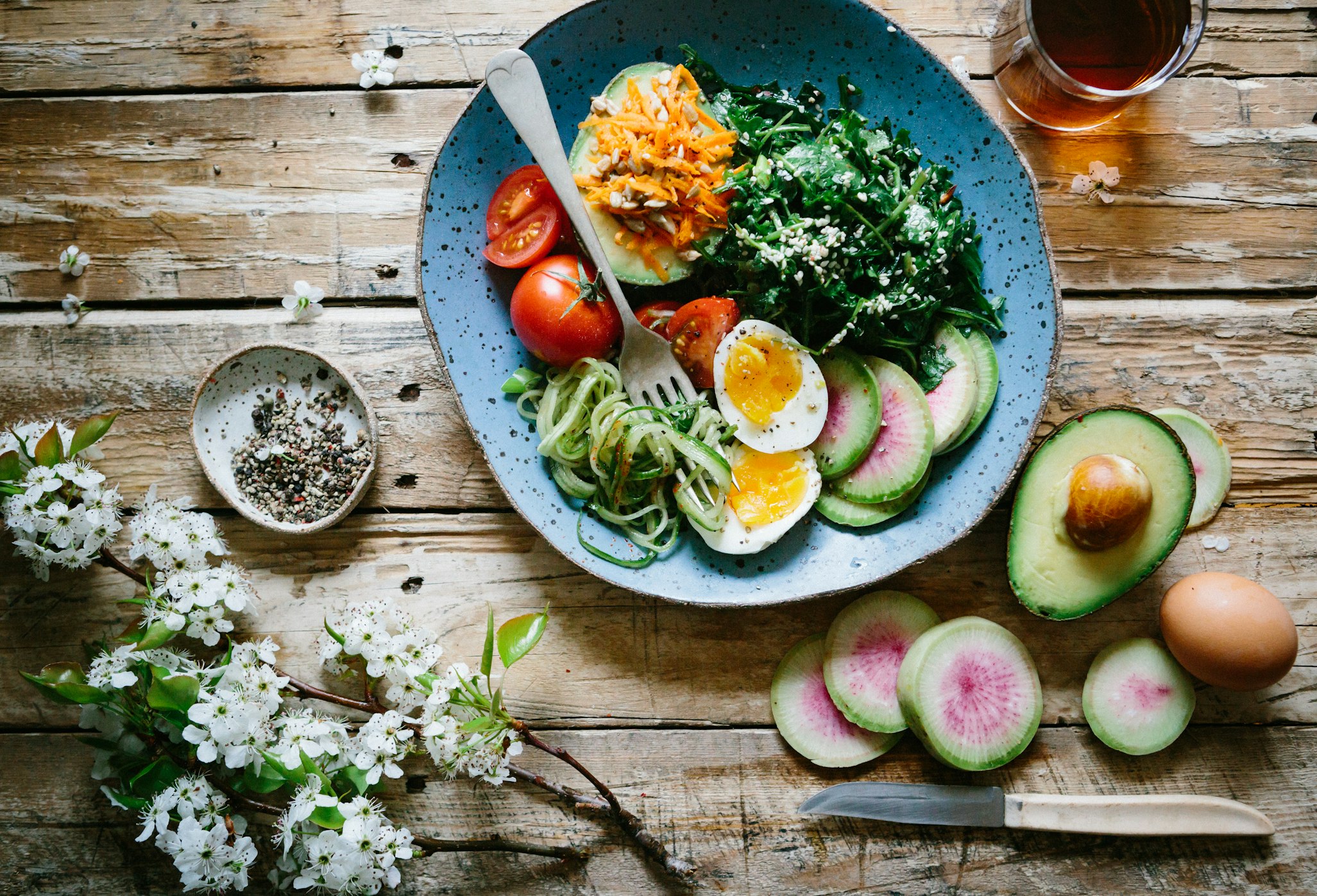
Exercise alone isn't enough. Discover the essential nutrients seniors need for maintaining bone density, muscle mass, and overall vitality.
Why Nutrition Matters More as We Age
As we get older, our bodies become less efficient at absorbing and utilizing nutrients. At the same time, our nutritional needs actually increase in some areas, particularly for maintaining bone density, muscle mass, and overall health.
The good news is that with the right nutritional strategy, you can support your fitness efforts, maintain strength and mobility, and reduce your risk of chronic diseases.
Protein: The Foundation of Healthy Aging
Protein is essential for maintaining muscle mass, which naturally declines with age. Adequate protein intake becomes even more important when you're exercising regularly.
- •Aim for 25-30 grams of protein per meal
- •Include lean meats, fish, eggs, dairy, legumes, and nuts
- •Spread protein intake throughout the day
- •Consider a protein supplement if you struggle to meet needs through food alone
Calcium and Vitamin D for Bone Health
Bone density naturally decreases with age, increasing the risk of osteoporosis and fractures. Calcium and vitamin D work together to maintain strong bones.
- •Adults over 50 need 1,200mg of calcium daily
- •Get calcium from dairy, fortified plant milks, leafy greens, and canned fish with bones
- •Adults over 70 need 800 IU of vitamin D daily
- •Few foods naturally contain vitamin D - consider supplementation
- •Get your vitamin D and calcium levels checked regularly
Omega-3 Fatty Acids for Joint and Heart Health
Omega-3 fatty acids have powerful anti-inflammatory properties that can help reduce joint pain and support heart health.
- •Include fatty fish (salmon, mackerel, sardines) 2-3 times per week
- •Add walnuts, flaxseeds, and chia seeds to your diet
- •Consider a fish oil supplement if you don't eat fish regularly
Hydration: The Often Forgotten Nutrient
Seniors are at higher risk of dehydration due to decreased thirst sensation and changes in kidney function. Staying well-hydrated is crucial for joint health, muscle function, and overall well-being.
Aim for at least 8 glasses of water per day, more if you're exercising. If you find plain water boring, try herbal teas, water with lemon, or eating water-rich fruits and vegetables.
Putting It All Together
A balanced diet rich in lean proteins, fruits, vegetables, whole grains, and healthy fats provides the foundation for healthy aging. Combined with regular exercise, proper nutrition can help you maintain strength, mobility, and independence for years to come.
Consider working with a registered dietitian who specializes in senior nutrition to develop a personalized eating plan that supports your fitness goals and health needs.