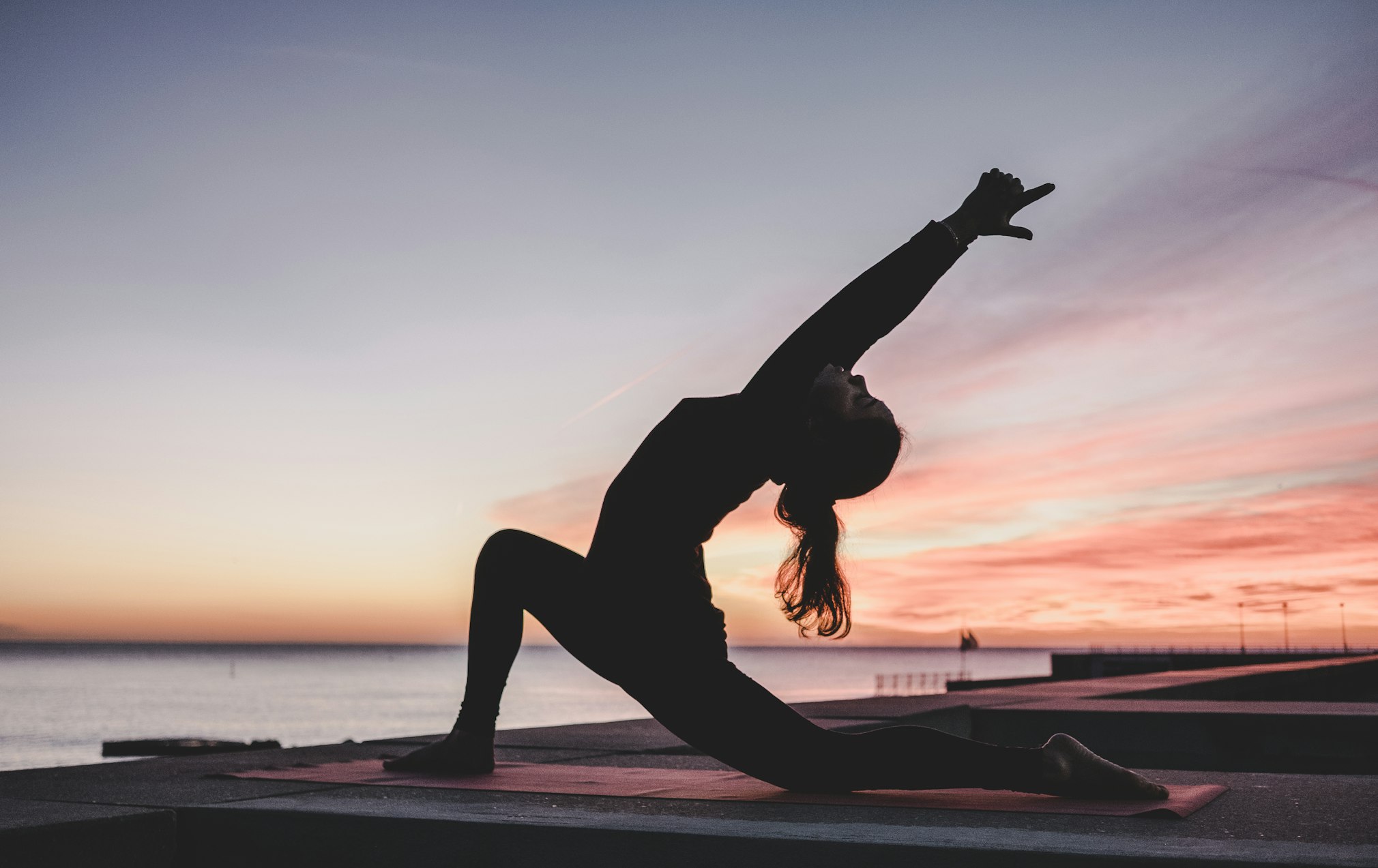
Maintaining flexibility is key to preventing injuries and maintaining quality of life. Learn proper stretching techniques designed specifically for seniors.
Why Flexibility Declines with Age
As we age, our connective tissues naturally become less elastic, joints may develop stiffness, and muscle fibers can shorten. These changes can make everyday activities more difficult and increase the risk of injury.
However, regular flexibility training can slow or even reverse these changes, helping you maintain range of motion, reduce pain, and continue doing the activities you love.
The Benefits of Regular Stretching
Flexibility training offers numerous benefits beyond just being able to touch your toes. Regular stretching improves posture, reduces muscle tension and pain, enhances circulation, and can even improve balance and coordination.
- •Reduces risk of falls by improving mobility
- •Decreases muscle tension and associated pain
- •Improves posture and alignment
- •Enhances performance in other physical activities
- •Promotes relaxation and stress relief
- •Maintains independence in daily activities
Types of Stretching for Seniors
Different types of stretching serve different purposes. Static stretching, where you hold a stretch for 15-30 seconds, is ideal for improving overall flexibility. Dynamic stretching, which involves gentle movement through a range of motion, is perfect for warming up before exercise.
Essential Stretches for Daily Practice
Focus on stretches that target the muscles and joints you use most in daily life. The neck, shoulders, back, hips, and legs are particularly important areas for seniors.
- •Neck rolls and shoulder shrugs for upper body
- •Seated spinal twist for back flexibility
- •Hip circles and hamstring stretches for lower body
- •Calf stretches for ankle mobility
- •Gentle yoga poses like cat-cow and child's pose
Stretching Safely and Effectively
Always warm up before stretching with 5-10 minutes of gentle movement. Never bounce or force a stretch - you should feel gentle tension, not pain. Breathe deeply and relax into each stretch.
Hold static stretches for 15-30 seconds and repeat 2-3 times. Stretch at least 3-4 times per week, though daily stretching provides the best results. Be patient - flexibility improvements take time.
Making Stretching a Habit
The key to maintaining flexibility is consistency. Find a time that works for you - many people enjoy stretching first thing in the morning or before bed. Consider joining a gentle yoga or stretching class designed for seniors, which provides structure, social interaction, and professional guidance.
Remember, it's never too late to start. Even if you've never been flexible, regular stretching can help you regain mobility and improve your quality of life.